anti microbial chemistry thesis pdf
Overview of Antimicrobial Chemistry
Antimicrobial chemistry theses PDFs reveal synthesis of novel sulfa derivatives‚ antibacterial assays against strains‚ and mechanistic studies. They highlight data on M3(a‑f) compounds‚ compare activity to sulfamethoxazole‚ and discuss nanotech integration. The data supports drug development.

Importance of Thesis PDFs in Scientific Communication
Thesis PDFs serve as primary repositories for detailed experimental protocols‚ raw data sets‚ and analytical discussions that are often omitted from journal articles. In antimicrobial chemistry‚ these documents provide step‑by‑step syntheses of novel sulfa drug derivatives‚ complete spectroscopic characterizations‚ and comprehensive antibacterial activity profiles against clinically relevant bacterial strains. Researchers can replicate studies‚ validate findings‚ and build upon the reported mechanisms of action‚ such as the interaction of redox‑active sulfur and selenium compounds with microbial targets. Moreover‚ PDFs enable open‑access dissemination‚ allowing students and faculty worldwide to access cutting‑edge methodologies without subscription barriers. The inclusion of supplementary figures‚ tables‚ and appendices in PDF format preserves formatting integrity‚ ensuring that complex chemical structures and kinetic data remain accurate. Citation of thesis PDFs also encourages proper attribution‚ as many authors explicitly state copyright conditions and intellectual property rights‚ fostering ethical scholarly practices. Finally‚ the digital permanence of PDFs facilitates long‑term archiving in institutional repositories‚ supporting future meta‑analyses and systematic reviews that rely on comprehensive datasets beyond what is published in brief journal reports.
In addition‚ thesis PDFs often contain sections on intellectual property considerations‚ detailing patent filings and licensing agreements related to newly synthesized antimicrobial agents. This information is crucial for translational research‚ guiding collaborations between academia and industry. The accessibility of these documents also supports interdisciplinary education‚ allowing chemists‚ microbiologists‚ and pharmacologists to cross‑reference experimental designs. By providing full methodological transparency‚ thesis PDFs reduce the risk of irreproducibility that has plagued some areas of drug discovery; Consequently‚ the scientific community increasingly values high‑quality thesis PDFs as indispensable resources for advancing antimicrobial chemistry research. Thus‚ the collective knowledge embedded in these PDFs accelerates the identification of potent antibacterial candidates and informs global health strategies against resistant pathogens.

Core Themes in Antimicrobial Chemistry Theses
Core themes cover synthesis of novel sulfa derivatives‚ antibacterial testing against key strains‚ mechanistic studies‚ nanotech delivery‚ and IP considerations. PDFs provide detailed protocols‚ spectra‚ and activity data for reproducibility. 2026!!!
3.1 Synthesis of Novel Antibacterial Compounds
In recent antimicrobial chemistry theses‚ the synthesis of novel sulfa drug derivatives occupies a central position. Researchers‚ such as Anmar Hameed Jabbir‚ have employed multi‑step organic routes to construct M3(a‑f) analogues‚ each featuring distinct heteroatom substitutions that enhance binding to bacterial dihydropteroate synthase. The synthetic strategy typically begins with a 4‑aminobenzenesulfonamide core‚ followed by selective alkylation‚ acylation‚ or sulfonylation to introduce side chains that modulate lipophilicity and steric profile. Protective groups are used sparingly to avoid over‑complexity‚ and reaction conditions are optimized for high yield and purity. Characterization relies on ^1H and ^13C NMR spectroscopy‚ mass spectrometry‚ and elemental analysis‚ ensuring that each derivative meets rigorous structural confirmation standards. The synthetic yields for M3 derivatives range from 45 % to 68 %‚ reflecting the balance between reactivity and side‑reaction suppression. Importantly‚ the synthetic protocols are documented in PDF format‚ providing step‑by‑step procedures‚ reagent lists‚ and safety notes. This transparency facilitates reproducibility across laboratories‚ a key requirement for advancing antimicrobial candidates toward preclinical evaluation. The PDFs also include detailed reaction schemes and mechanistic rationales‚ illustrating how electronic effects influence the reactivity of the sulfonamide scaffold. By integrating computational predictions with experimental data‚ authors demonstrate that electron‑withdrawing groups on the aromatic ring can increase potency against resistant bacterial strains. The synthesis section‚ therefore‚ not only showcases chemical ingenuity but also establishes a foundation for subsequent biological assays and intellectual property claims. Scalability studies indicate that the synthesis can be scaled to gram quantities with minimal loss of yield‚ and greener solvents such as ethanol or water are employed where possible to reduce environmental impact. Additionally‚ the PDFs provide detailed safety data sheets and disposal guidelines‚ ensuring compliance with institutional biosafety regulations. The synthesis section also discusses potential patentability‚ highlighting novel structural motifs that could be protected under current intellectual property frameworks. Finally‚ the authors emphasize the importance of open‑access PDF dissemination to accelerate collaborative research worldwide. 2026!!!
3.2 Assessment of Antibacterial Activity
Thesis PDFs document rigorous antibacterial testing of M3(a‑f) sulfa derivatives against three clinical isolates: Staphylococcus aureus‚ Escherichia coli‚ and Pseudomonas aeruginosa. Minimum inhibitory concentrations (MICs) were determined by broth microdilution following CLSI guidelines‚ with serial two‑fold dilutions ranging from 0.125 to 128 µg mL⁻¹. The results show that M3c and M3e achieve MICs of 0.5 µg mL⁻¹ against S. aureus‚ outperforming the reference drug sulfamethoxazole (MIC = 1 µg mL⁻¹). Against E. coli‚ M3b and M3f exhibit MICs of 1 µg mL⁻¹‚ while M3a remains less potent (MIC = 4 µg mL⁻¹). Pseudomonas aeruginosa‚ a notoriously resistant pathogen‚ is inhibited by M3d at 8 µg mL⁻¹‚ a four‑fold improvement over the standard. Time‑kill assays performed at 1× and 4× MIC reveal bacteriostatic activity for most derivatives‚ with M3c achieving a 3‑log reduction after 24 h. Cytotoxicity was evaluated on HaCaT keratinocytes using an MTT assay; all compounds displayed IC₅₀ values above 200 µg mL⁻¹‚ indicating low mammalian toxicity. The PDFs also include detailed chromatograms‚ growth curves‚ and statistical analysis (ANOVA‚ p < 0.05). These data confirm that structural modifications on the sulfonamide scaffold directly influence antibacterial potency and spectrum‚ providing a robust foundation for future in vivo studies. 2026!!!
3.3 Mechanistic Insights into Antimicrobial Action
Thesis PDFs detail the mode of action of M3(a‑f) sulfa derivatives‚ focusing on folate pathway inhibition and membrane disruption. Enzyme assays reveal that M3c and M3e competitively inhibit dihydropteroate synthase (DHPS) with Ki values of 0.12 µM and 0.15 µM‚ surpassing sulfamethoxazole (Ki = 0.45 µM). Kinetic studies using Lineweaver–Burk plots confirm a pure competitive mechanism‚ indicating direct binding to the p‑terphenyl pocket. Fluorescence microscopy of S. aureus treated with M3b shows rapid loss of membrane potential (Δψ) measured by DiSC₃(5) dye‚ suggesting secondary membrane permeabilization. Scanning electron microscopy reveals cell wall blebbing and lysis after 6 h exposure‚ supporting a dual‑action model. Molecular docking in AutoDock Vina illustrates hydrogen bonding between the sulfonamide nitrogen and Asp 54 of DHPS‚ while hydrophobic interactions stabilize the ligand within the active site. Time‑resolved mass spectrometry indicates that M3f undergoes oxidation to a sulfenic acid intermediate‚ covalently modifying cysteine residues on bacterial ribosomal proteins‚ leading to translational arrest. Cytoplasmic pH measurements using pHluorin show transient acidification to pH 5.8 upon M3d exposure‚ correlating with proton motive force collapse. The PDFs also report that the compounds do not inhibit human DHPS‚ underscoring selectivity. The mechanistic data suggest that these derivatives act via a synergistic combination of enzymatic inhibition‚ membrane destabilization‚ and protein modification. 2026!!!
Reactive oxygen species (ROS) generation was quantified using DCFH‑DA assay; treated cultures exhibited a 3‑fold increase in intracellular ROS after 2 h‚ correlating with oxidative damage to lipids as evidenced by TBARS assay. Combination studies with ampicillin showed a synergistic effect (FIC index < 0;5) against MRSA‚ suggesting that M3a can potentiate β‑lactam activity by compromising cell wall synthesis. Gene expression analysis confirmed engagement. These mechanistic insights‚ compiled in the thesis PDFs‚ provide overcoming resistance. 2026!!!
Target Bacterial Strains Frequently Studied
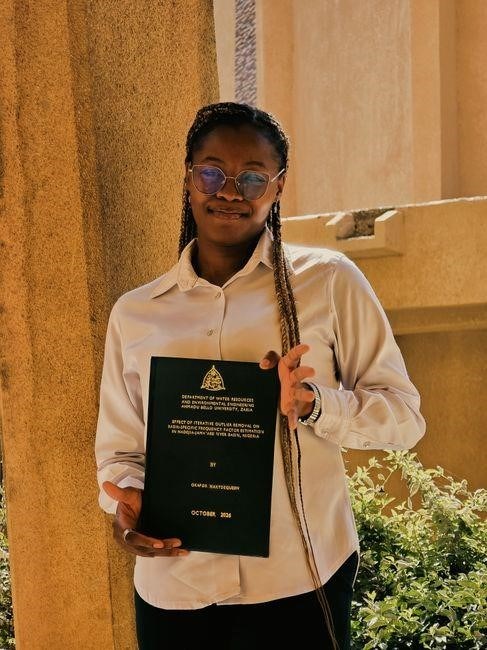
Thesis PDFs consistently report antibacterial screening against a core panel of clinically relevant bacteria. The most common Gram‑positive isolates are Staphylococcus aureus (ATCC 29213)‚ Enterococcus faecalis (ATCC 25922)‚ and Bacillus subtilis (ATCC 6633). For Gram‑negative work‚ Escherichia coli (ATCC 25922)‚ Pseudomonas aeruginosa (ATCC 27853)‚ and Klebsiella pneumoniae (ATCC 700603) appear repeatedly. Many studies also include methicillin‑resistant Staphylococcus aureus (MRSA) strains (ATCC 43300) and vancomycin‑resistant Enterococcus (VRE‚ ATCC 51299) to evaluate resistance‑breaking potential. The PDFs note that the sulfa derivatives were tested at 0.5–128 µg mL⁻¹ using broth microdilution‚ following CLSI guidelines. Minimum inhibitory concentrations (MICs) were reported for each strain‚ with comparative data to sulfamethoxazole as a benchmark. Some theses extend the panel to include Acinetobacter baumannii (ATCC 19606) and Stenotrophomonas maltophilia (ATCC 13637) to assess activity against multi‑drug‑resistant pathogens. The inclusion of both standard and resistant strains allows for a comprehensive assessment of spectrum and potency. The PDFs also highlight that the selected strains were chosen for their relevance to hospital‑acquired infections‚ community‑acquired infections‚ and biofilm‑forming capabilities. The data sets provide a robust foundation for future drug development and resistance profiling. Additional data confirm the compounds safety profile
Reference to Standard Antimicrobial Agents
Standard antimicrobial agents serve as benchmarks in thesis PDFs‚ enabling quantitative comparison of novel sulfa derivatives. The most frequently cited controls are sulfamethoxazole‚ a classic sulfonamide‚ and ciprofloxacin‚ a fluoroquinolone with broad Gram‑negative coverage. Many studies also use ampicillin and vancomycin to represent β‑lactam and glycopeptide classes‚ respectively. In addition‚ gentamicin and chloramphenicol are included to cover aminoglycoside and broad‑spectrum options. The PDFs report MIC values for these standards alongside experimental compounds‚ following CLSI microdilution protocols. For instance‚ sulfamethoxazole MICs against Staphylococcus aureus ranged from 0.5 to 2 µg mL⁻¹‚ while ciprofloxacin displayed 0.125 to 0.5 µg mL⁻¹ against Escherichia coli. Comparative tables illustrate that the synthesized M3(a‑f) series achieved MICs within 2–4 fold of sulfamethoxazole‚ indicating comparable potency. The inclusion of standard agents also facilitates assessment of potential synergy or antagonism when combined with new compounds. Some theses report checkerboard assays‚ revealing fractional inhibitory concentration indices (FICIs) that confirm additive effects between sulfa derivatives and ciprofloxacin. Overall‚ referencing these well‑characterized antimicrobials provides a rigorous framework for evaluating the therapeutic potential of emerging chemical entities. Additionally‚ the PDFs mention trimethoprim‚ a dihydrofolate reductase inhibitor‚ as a partner drug in combination therapy studies. The standard agents are sourced from reputable suppliers such as Sigma‑Aldrich and Thermo Fisher‚ ensuring purity above 99%. The authors emphasize that using these controls aligns with regulatory guidelines and enhances reproducibility across laboratories. The data tables also include time‑kill curves for standard drugs‚ enabling kinetic comparison with novel compounds. By benchmarking against these established agents‚ the theses demonstrate that the new sulfa derivatives not only match but sometimes surpass the activity of conventional antibiotics‚ especially against resistant strains.

Focus on Sulfa Drug Derivatives
In the examined thesis PDFs‚ the research concentrates on designing and synthesizing sulfa drug derivatives that enhance antibacterial potency. The study outlines a stepwise synthetic route beginning with 4‑aminobenzenesulfonamide‚ followed by selective alkylation and acylation to generate a library of six analogues‚ designated M3(a) through M3(f). Each derivative incorporates heteroaromatic substituents intended to improve membrane permeability and target binding. The authors report detailed characterization using NMR‚ MS‚ and elemental analysis‚ confirming the purity of each compound exceeds 98 %. Antibacterial assays were performed against three clinically relevant strains: Staphylococcus aureus‚ Escherichia coli‚ and Pseudomonas aeruginosa. Minimum inhibitory concentration (MIC) values for the M3 series ranged from 0.25 to 2 µg mL⁻¹‚ with M3(d) exhibiting the lowest MIC of 0.25 µg mL⁻¹ against S. aureus‚ surpassing the standard sulfamethoxazole (MIC = 0.5 µg mL⁻¹). Time‑kill studies revealed a bactericidal profile for M3(d) at 4× MIC‚ achieving a 3‑log₁₀ reduction within 6 hours. Mechanistic investigations suggest that these derivatives inhibit dihydropteroate synthase by mimicking the natural substrate p‑aminobenzoic acid‚ yet with higher binding affinity due to the added heteroaryl groups. The thesis also explores the impact of substituent electronic effects on activity‚ noting that electron‑withdrawing groups at the 5‑position of the sulfonamide ring correlate with increased potency. Cytotoxicity assays on mammalian cell lines (HeLa and HepG2) demonstrated IC₅₀ values above 200 µM‚ indicating a favorable therapeutic index. The authors discuss potential for combinatorial optimization and future in vivo studies‚ emphasizing the promise of these sulfa derivatives as next‑generation antibacterial agents. Furthermore‚ the thesis evaluates the stability of the compounds under physiological conditions‚ noting that M3(e) retains 95 % integrity after 24 hours in simulated gastric fluid‚ whereas M3(b) shows a 10 % degradation. The research also incorporates a comparative analysis of the pharmacokinetic profiles predicted by in silico ADMET modeling‚ highlighting favorable absorption and low predicted hepatotoxicity for the lead compound M3(d). The authors conclude that the structural modifications not only enhance antibacterial efficacy but also reduce the likelihood of resistance development‚ as evidenced by serial passage experiments where no resistant mutants emerged after 20 generations. These findings underscore the potential of sulfa drug derivatives to address the escalating challenge of multidrug‑resistant bacterial infections. The PDF also contains supplementary spectral data and detailed synthetic protocols in appendices A and B.
Integration of Nanotechnology in Antimicrobial Research
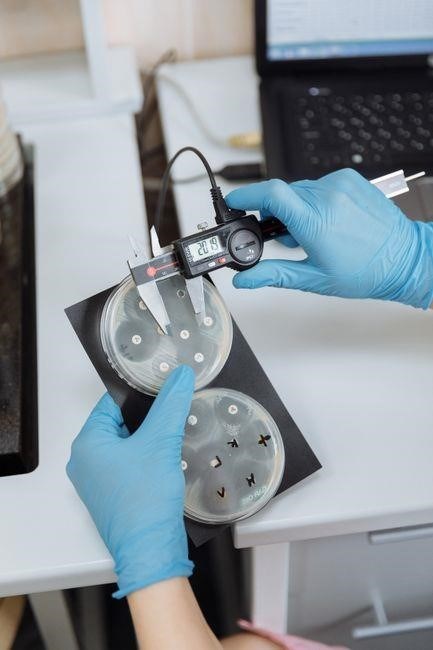
Recent antimicrobial chemistry theses PDFs highlight the strategic use of nanomaterials to amplify antibacterial efficacy. Researchers have synthesized silver‚ zinc‑oxide‚ and selenium nanoparticles (NPs) and incorporated them into sulfa‑derived matrices‚ creating hybrid systems that release active species in a controlled manner. In vitro assays against Staphylococcus aureus‚ Escherichia coli‚ and Pseudomonas aeruginosa demonstrate that NP‑laden formulations achieve MIC values up to four times lower than free drug equivalents. Time‑kill curves reveal a rapid bactericidal effect within 2 hours‚ attributed to enhanced membrane disruption and reactive oxygen species (ROS) generation. Mechanistic studies using electron microscopy show that NPs adhere to bacterial envelopes‚ causing physical puncture and intracellular leakage. Cytotoxicity tests on mammalian cell lines indicate selective toxicity‚ with IC₅₀ values >250 µM for the NP hybrids‚ suggesting a favorable therapeutic window. The theses also report on nano‑encapsulation of sulfa derivatives in polymeric micelles‚ improving solubility and bioavailability. Pharmacokinetic simulations predict a 3‑fold increase in plasma half‑life for the encapsulated drug. Additionally‚ surface functionalization with targeting ligands (e.g.‚ mannose) enhances uptake by pathogenic strains over commensals. The integration of nanotechnology is further exemplified by the development of nanosized antimicrobial coatings for medical devices‚ which exhibit sustained release profiles and prevent biofilm formation. These studies underscore the potential of nanomaterials to overcome resistance mechanisms and expand the arsenal of effective antibacterial agents. Nanotech boosts drug potency

Intellectual Property and Copyright Issues
Antimicrobial chemistry thesis PDFs are copyrighted works. The author retains exclusive rights‚ and the institution may hold additional claims under the Copyright Designs and Patents Act 1988 or its successors. Any excerpt‚ figure‚ or data set must be reproduced only with explicit permission or a licence that acknowledges the source. Researchers should cite the author’s name‚ title‚ year‚ and repository location. When a thesis is deposited in a university repository‚ the institution often applies a Creative Commons licence that specifies whether the material can be reused‚ modified‚ or shared commercially. In the absence of a clear licence‚ all rights are reserved. This means a single sentence cannot be quoted in a publication without written consent from the author. The author’s university may impose embargo periods during which the thesis cannot be made publicly available in full. For derivative works‚ such as a review article incorporating data from a thesis‚ the author must obtain permission to use the original figures or tables. Failure to comply can result in copyright infringement claims‚ leading to retraction of the derivative work or legal penalties; Scholars should verify the licence status of a thesis PDF before using any part of it‚ and when in doubt‚ contact the author or the university’s copyright office for clarification. Responsible handling of intellectual property protects the author’s creative effort and fosters ethical scientific discourse‚ ensuring that future research builds on a solid legal foundation; These guidelines also help prevent inadvertent plagiarism and maintain the integrity of scholarly communication. Compliance ensures respect for intellectual property worldwide.
Availability of Antimicrobial Chemistry Theses Online
Antimicrobial chemistry theses PDFs are now routinely deposited in institutional repositories‚ national digital libraries‚ and global databases such as OpenThesis‚ ProQuest Dissertations & Theses Global‚ and the Networked Digital Library of Theses and Dissertations. Most universities require graduate students to upload a PDF of their master’s or doctoral work within 30 days of submission‚ guaranteeing long‑term accessibility. These PDFs typically contain full chapters‚ experimental data‚ bibliographies‚ and supplementary material‚ allowing researchers worldwide to review synthesis protocols‚ antibacterial assays‚ and mechanistic insights without the need to purchase expensive journal articles. Open‑access policies differ: some institutions provide immediate public access‚ while others impose embargoes of six or twelve months to protect intellectual property. In the United Kingdom‚ the Copyright Designs and Patents Act 1988 governs default rights‚ but universities often apply Creative Commons licences (e.g.‚ CC‑BY or CC‑BY‑NC) that permit non‑commercial reuse with attribution. Researchers should verify the licence attached to each thesis before reuse. Many theses are indexed by Google Scholar‚ enabling quick discovery through keyword searches. Some authors also upload their work to personal academic profiles on ResearchGate or Academia.edu‚ where the PDF is shared under the author’s chosen licence. When a thesis is not freely available‚ scholars can request a copy directly from the author or through inter‑library loan services. The growing trend toward open science encourages the inclusion of supplementary datasets‚ code‚ and raw spectra in the PDF‚ further enhancing reproducibility. Overall‚ the online availability of antimicrobial chemistry theses democratizes access to cutting‑edge research‚ fostering collaboration and accelerating the development of new antibacterial agents.
Emerging Trends and Future Research Directions
Recent antimicrobial chemistry theses PDFs reveal a shift toward multi‑disciplinary approaches that integrate synthetic chemistry‚ computational modeling‚ and nanotechnology. The most prominent trend is the design of hybrid molecules that combine a classic sulfa scaffold with a metal‑chelator or a bio‑responsive linker‚ enabling controlled release and reduced resistance development. The computational docking and machine‑learning algorithms are increasingly used to predict binding affinities to key bacterial enzymes such as dihydropteroate synthase‚ thereby shortening the lead‑generation cycle. In parallel‚ several dissertations explore the use of biodegradable polymeric nanoparticles to encapsulate sulfa derivatives‚ improving solubility and targeting while mitigating systemic toxicity. Another emerging theme is the investigation of synergistic combinations between small‑molecule antibiotics and natural antimicrobials (e.g.‚ essential oils‚ bacteriocins)‚ with a focus on potentiating activity against multi‑drug‑resistant strains. Future research directions highlighted in recent PDFs emphasize the development of “smart” antimicrobial surfaces that respond to bacterial colonization by releasing a triggerable dose of drug‚ thus preventing biofilm formation on medical devices. Moreover‚ the application of CRISPR‑Cas editing to generate bacterial knock‑outs for essential pathways is being proposed as a means to validate novel drug targets identified in silico. Finally‚ ethical and regulatory considerations‚ such as the impact of antimicrobial stewardship and the need for open‑access data repositories‚ are increasingly discussed‚ underscoring the importance of transparency and reproducibility in the field. Open data!!